Quick Answer: Boston's AI agent development market spans a national AI studio based in nearby Danvers, global data and AI platforms with Boston headquarters, strategy and consulting firms with Boston offices, and analytics firms based in the city. The right choice depends less on brand size than on three factors: proven delivery in a workflow like yours, clear handling of agent errors, and a plan for data governance. For a first project, start with one workflow and ask each firm for evidence from live systems. If you are exploring a build, our AI agent development services are a good place to start the conversation.
Key Takeaways
- Boston has a strong AI talent base. A KPMG survey of 81 Boston business leaders, released in February 2026, found that 98% provide AI education and training, and 91% are investing in upskilling current employees in AI.
- Workforce change is a planning issue. A Tufts-linked analysis reported by Boston.com projects that 7.35% of Massachusetts jobs are at risk of displacement in the near term, and that software developers alone could see more than 12,700 jobs affected in Greater Boston. These are projections, not measured losses.
- Size is not the same as fit. The best partner has built agents in a workflow similar to yours, not only a general AI portfolio.
- Most failed agent projects fail on governance, data, and integration. The model is rarely the hardest part.
- Start small. One well-scoped workflow with a human review step is safer and easier to measure than a company-wide program.
What Is an AI Agent, Exactly?
Direct answer: An AI agent is a software system that can plan, take multi-step actions, and adjust its approach to complete a task with limited human intervention. A traditional chatbot or automation script follows a fixed, pre-written path.
Supporting explanation: A rules-based automation does the same thing every time. An AI agent is given a goal, such as "check this month's invoices" or "triage this support ticket," and works out the steps itself. It uses tools, APIs, and data sources, and it adjusts when something does not go as expected.
Real example: A support system that follows a fixed decision tree is not an agent. A system that reads an incoming email, checks order status across three internal systems, decides whether a refund fits the policy, and drafts a reply for human approval is an agent.
- AI agents plan and adapt. Traditional automation follows fixed rules.
- Agents use tools and APIs within defined guardrails.
- Most production agents today are narrow and task-specific, not general-purpose.
What Does an AI Agent Development Company Actually Do?
An AI agent development company designs, builds, and deploys agents for a specific business process. The result is a task-specific system connected to your actual data and software, not a generic chatbot.
That work typically includes:
- Use case scoping: identifying which workflow is worth an agent, and which is better served by simpler automation
- Data and systems integration: connecting the agent to your CRM, ERP, internal APIs, or databases
- Model and framework selection: choosing the model, orchestration framework, and tool-calling design for the task
- Guardrails and governance: human approval steps, audit trails, and failure handling
- Testing and evaluation: checking accuracy and safety before production
- Deployment and monitoring: running the agent reliably and adjusting it as conditions change
Building an agent is different from building a website. The partner needs real experience with how language models behave, how reliable tool calls are, and how agents fail, such as producing incorrect answers, drifting off task, or handling unusual cases poorly.
The Boston AI Agent Market in 2026
Boston combines a large base of universities, hospitals, financial firms, and professional-services companies. Each of these sectors handles heavy volumes of documents, records, and routine requests, which makes them natural fits for agent-based workflows.
- Employer investment is high. In the KPMG survey, 90% of leaders ranked AI among their top investment priorities despite economic uncertainty. Many firms are building AI skills internally, which suggests they want tools that let existing staff do more.
- The disruption risk is real. The Tufts-linked analysis names software developers, market research analysts, marketing specialists, management analysts, and customer service representatives as highly vulnerable roles in Greater Boston. It also estimates about $20 billion in annual income losses tied to AI-driven job disruption in the Boston area. These are projections, so plan for change rather than assume a fixed outcome.
- Adoption outpaces delivery. Many firms are still working out how to move from pilots to production. The gap usually reflects implementation quality, not the technology.
Important note: Projections in this area change quickly. Check the original reports before you use any figure in a budget or board document.
What Affects the Cost of an AI Agent in Boston?
We do not publish a price range for an AI agent in Boston without a defined scope. The cost depends on these factors:
| Cost driver | Why it matters |
|---|---|
| Number of agents and workflows | A single agent costs far less than coordinated agents across departments |
| Integrations | Each connected system adds analysis, build, and testing. Legacy systems often add the most |
| Data readiness | Cleaning and organizing documents or records can be a large part of the work |
| Safety and compliance | Healthcare, financial, and research data bring extra controls, documentation, and review |
| Human review design | Approval steps and audit logging add build and operating effort |
| Ongoing operations | Monitoring, updates, model changes, and support are recurring costs |
Ask every firm for a quote that separates discovery, build, integration, testing, deployment, and ongoing support. A quote that leaves out integration and monitoring is incomplete.
Top AI Agent Development Companies in Boston (2026)
The companies below are named in a 2026 Boston guide from NineTwoThree. The descriptions reflect what that guide says, not our own testing. The guide ranks its own firm first, so use this list as a starting point and verify each firm yourself.
| Company | Based In | Known For |
|---|---|---|
| NineTwoThree AI Studio | Danvers, MA | Custom AI development and LLM integration, named first in its own guide |
| DataRobot | Boston headquarters | AutoML, MLOps, and enterprise generative AI tools |
| Slalom | Boston office | AI strategy and implementation within major cloud ecosystems |
| Thoughtworks | Global, with a Boston presence | Agentic AI and modernizing legacy enterprise systems |
| Perceptive Analytics | Charlestown, MA | Generative AI and predictive analytics for financial services, pharma, and retail |
| Boston Consulting Group (BCG) | Founded in Boston | Enterprise AI strategy and transformation |
Other firms that appear in Boston lists include Azumo and several smaller agent-focused studios. Check each one's references directly.
What to Notice in a List Like This
Size is not the same as fit. A large consulting firm may have deep bench strength, but it can treat your agent project as one of many running in parallel. A specialist studio may move faster and go deeper on your use case, but it may have less redundancy if a key engineer leaves. Neither is automatically the right answer. It depends on your project's complexity, timeline, and how much support you need.
How to Choose the Right AI Agent Development Company
This is the part most comparison lists skip, and it matters more than the list itself.
1. Ask for a Working Example in a Similar Domain
Direct answer: A general AI capability tells you less than whether a firm has built something in a workflow like yours.
A firm that has built agents for order processing may not have the compliance habits needed for a patient-intake or research-records agent, even though both are "AI agents." Ask: "Show me an agent you've built for a regulated or high-stakes workflow, and walk me through what happens when it fails."
2. Ask What Happens When the Agent Is Wrong
Every production agent will make mistakes. A serious partner designs for that from day one, with human review checkpoints, confidence thresholds, fallback behavior, and audit logs. If the answer is vague, treat error handling as a gap to resolve before you sign.
3. Check Data Governance and Security
An agent with access to your CRM, financial systems, or research data is a security surface. Ask about data location, access controls, and experience with your sector's rules, such as HIPAA for health data, SOC 2 for service providers, and any financial-industry obligations that apply to you.
4. Understand the Engagement Model
- Fixed-price projects suit narrow, well-defined use cases.
- Time-and-materials or dedicated-team models suit evolving, multi-phase programs.
- Outcome-based pricing is rare, but worth discussing for measurable use cases.
5. Ask Who Owns the Code and Model After Launch
Some vendors build on proprietary platforms that tie you to their continued involvement. Others deliver on open frameworks that your team can maintain. Clarify ownership before the contract is signed.
- Ask for a demo in a domain that resembles your use case.
- Ask how the vendor handles errors and edge cases.
- Confirm data governance matches your compliance needs.
- Match the engagement model to how well defined your use case is.
- Clarify code and model ownership before signing.
In-House vs. Outsourced vs. Hybrid AI Agent Development
| Approach | Best For | Trade-off |
|---|---|---|
| In-house team | Companies with ML engineering talent and a long-term AI roadmap | Slower to start, and needs hiring and retention investment |
| Fully outsourced | Companies without internal AI skills and a single well-scoped use case | Less institutional knowledge stays inside the company |
| Hybrid (internal owner plus external build partner) | Most mid-sized and enterprise projects | Needs clear ownership boundaries |
Most organizations without an existing AI team get the best results from a hybrid model. An internal owner who understands the business problem works with an external partner who handles the technical build.
Key Technologies and Frameworks Used in AI Agent Development
A credible partner should explain the technical stack in plain language, not only the business outcome. Common components include:
- Orchestration frameworks that manage steps, tool calls, and handoffs
- Retrieval and knowledge grounding that let an agent answer from approved documents
- Foundation models chosen for accuracy, cost, latency, and data-handling terms
- Tool-calling layers that let the agent take real actions in your systems, not only generate text
- Observability and evaluation tools that log behavior and catch failures before production
If a vendor cannot explain which components it uses and why, for your use case, that is a meaningful gap.
Real-World AI Agent Use Cases in Boston
- Research administration: an agent tracks grant deadlines, assembles required documents, and drafts status updates for staff review.
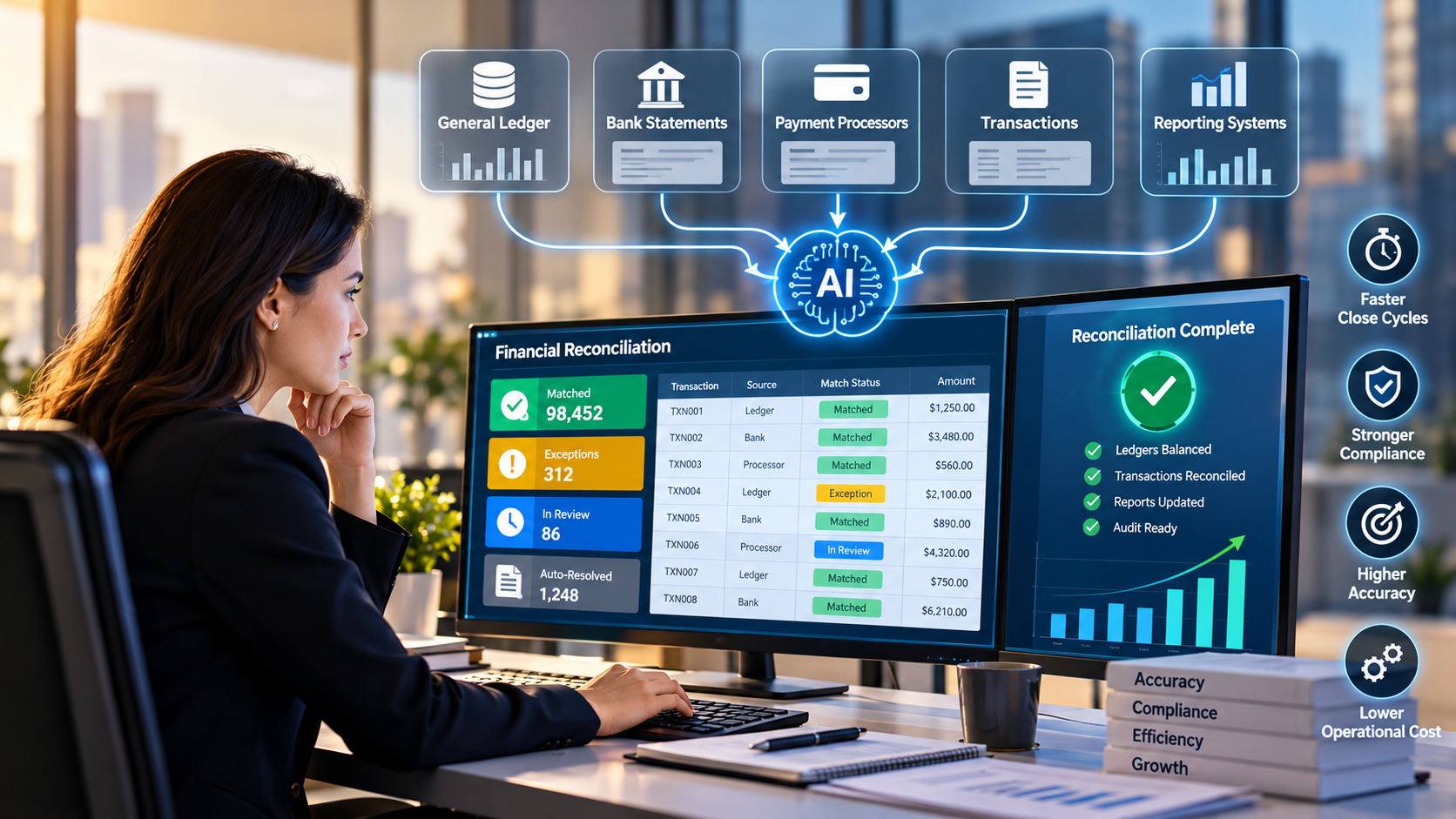
- Financial services: an agent supports reconciliation, compliance document review, and client service workflows, with audit trails.
- Healthcare operations: an agent helps with scheduling, prior-authorization paperwork, and billing follow-up. Clinical decisions stay with clinicians.
- Professional services: an agent retrieves approved past proposals and drafts sections for consultants to edit.
- Customer operations: an agent reads incoming tickets, checks order or account status, and drafts responses for human approval.
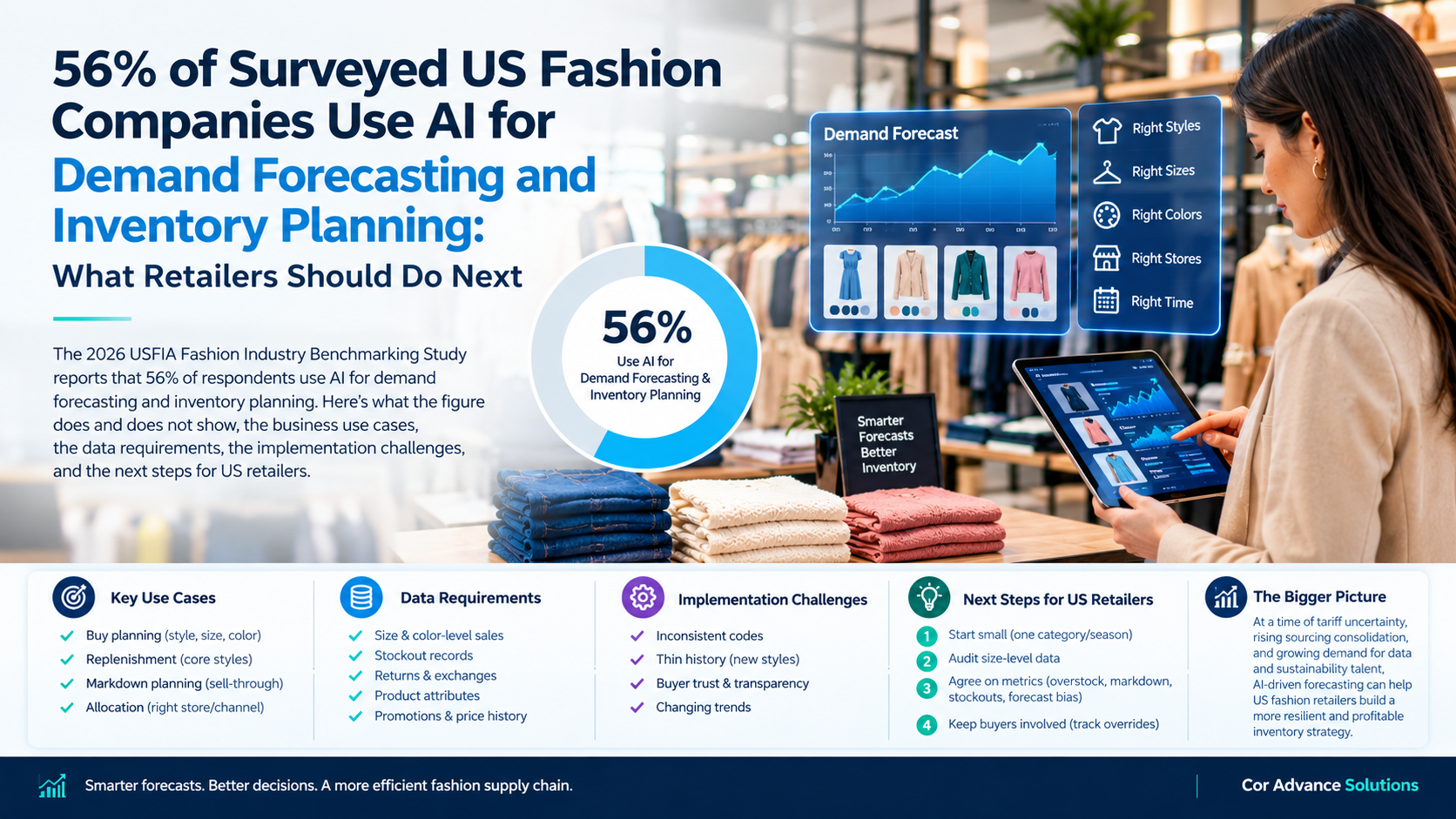
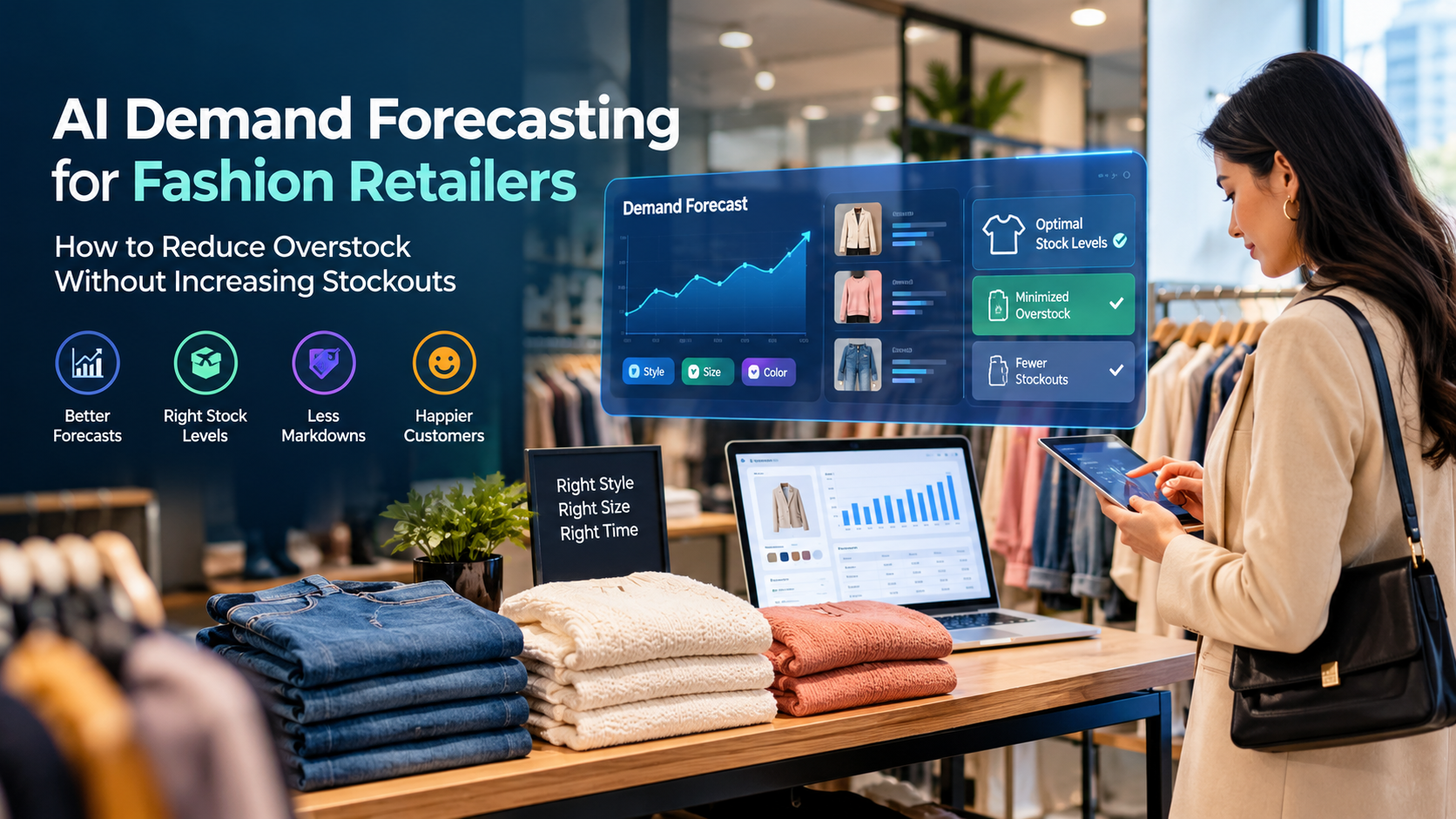
Our own work is in the same space. Our AI-powered demand forecasting case study shows how we connect AI to operational data for a retail client, and we apply the same review standards to agent projects.
Common Mistakes to Avoid When Choosing a Partner
- Choosing on portfolio breadth alone. A firm that has built everything may have built nothing deeply.
- Skipping the error-handling conversation. If a firm cannot explain failure handling, that is a red flag.
- Underestimating integration. The model is rarely the hard part. Connecting it reliably to your systems usually is.
- Ignoring data readiness. An agent is only as good as the data it can reach.
- Treating it as a one-time build. Agents need monitoring, retraining, and adjustment as data and policies change.
Red Flags to Watch For
- Guaranteed ROI percentages before anyone has looked at your data or workflow
- No willingness to discuss failure modes, or to show what happens when the agent is uncertain
- Vague answers about data security, location, or compliance
- Pressure to sign a large multi-phase contract before a scoped pilot proves the idea
- No named technical lead you can speak with before signing
Best Practices for a Successful AI Agent Project
- Start with one well-scoped, high-value use case, not a multi-agent system on day one.
- Audit your data before development starts. Most underperformance traces back to messy or hard-to-reach source data.
- Build in human review from the start, especially for actions with financial, legal, or client-facing impact.
- Define success metrics upfront, such as completion rate, error rate, and time saved.
- Plan for ongoing maintenance, not only a launch date.
Step-by-Step Guide to Starting an AI Agent Project
- Identify the most repetitive workflow that involves judgment, not only data entry.
- Audit the data and systems that workflow depends on.
- Shortlist three or four partners based on domain experience, not general AI claims.
- Ask for a scoped pilot proposal, not a full-system commitment.
- Compare proposals on error handling and data governance, not only cost or timeline.
- Run a time-boxed pilot with success criteria set in advance.
- Check results against your baseline before expanding.
- Scale gradually, adding use cases only after the first one runs reliably in production.
Pros and Cons of Working With an AI Agent Development Company
| Pros | Cons |
|---|---|
| Access to specialized expertise without a full hiring cycle | Needs clear internal ownership to avoid knowledge gaps after handoff |
| Faster route to a working pilot | Quality varies a lot between vendors |
| Exposure to frameworks your team may not have used yet | Ongoing maintenance and iteration costs need planning |
| Experienced partners can help avoid common design mistakes | Coordination overhead if the team is spread across time zones |
Expert Tips
- Ask each shortlisted firm to walk you through a past failure and what it changed afterward. Firms with real experience have a clear answer.
- Do not judge a vendor by demo polish alone. A reliable agent handling real edge cases is much harder to build than a good demo.
- Budget for iteration. The first version of an agent is rarely the final one.
Frequently Asked Questions
What is the difference between an AI agent and a chatbot?
A chatbot mainly generates conversational replies. An AI agent can take multi-step actions, such as checking systems, calling approved tools, and making decisions within guardrails, so it can complete a task rather than only discuss it.
How much does it cost to build an AI agent in Boston?
Cost depends on the number of workflows, the integrations, the data readiness, and the safety and compliance requirements. A single-workflow agent with few integrations is much less work than a set of coordinated agents. Ask for a quote that separates discovery, build, integration, testing, and support.
How do I know if a company has real AI agent experience?
Ask for a specific example of an agent that takes real actions in a production system, not a chatbot demo or a slide deck. Then ask what happens when it fails. A clear, specific answer is a good sign.
Should a Boston business choose a large consulting firm or a specialist studio?
It depends on the project. Large firms offer more bench strength and less key-person risk. Specialist studios often move faster and go deeper on a single use case. Many businesses use a specialist for the build and keep a larger firm for strategy.
What industries benefit most from AI agents in Boston?
Research administration, financial services, healthcare operations, professional services, and customer operations often have the most repetitive, document-heavy work. These are common starting points, but the right choice depends on where your own process volume sits.
How long does an AI agent project take?
A scoped pilot is usually shorter than a full production program, which also needs governance, integration, and testing. Set the timeline after a discovery assessment rather than before.
What is the biggest reason AI agent projects fail?
Poor data and integration problems are more common causes than the model itself. Messy source data and systems the agent cannot reliably reach often cause the most trouble.
Conclusion
The right AI agent development partner in Boston is not necessarily the one with the longest client list or the most polished demo. It is the one that can show experience in a workflow like yours, speaks plainly about how its systems fail and recover, and treats data governance as part of the build. Use the checklist below, ask about failure handling, confirm governance fit, and start with a scoped pilot.
Cor Advance Solutions builds AI agent and automation systems with the same standards described here: scoped pilots, human review built in, and a clean handover of what we build. Our AI agent development services cover discovery, architecture, integration, guardrails, and testing, and our AI and agentic AI services explain how we approach agent design. If you want to discuss a Boston use case, get in touch with us.
Actionable Checklist
- Define one specific, high-value workflow as your first agent use case
- Audit the data and systems that workflow depends on
- Shortlist three or four partners based on relevant domain experience
- Ask each how they handle agent errors and edge cases
- Confirm data governance and compliance fit for your sector
- Request a scoped pilot proposal, not a full-system commitment
- Define success metrics before the pilot starts
- Check pilot results against your baseline before scaling
Disclaimer: Company information in this guide comes from public sources as of 2026 and may not reflect current offerings. Verify each firm's capabilities, case studies, and references directly before engaging. This article is for general information and is not professional advice.